
GLOBALNO SEGREVANJE
Re: GLOBALNO SEGREVANJE
Temp zemeljskega površja ni odvisna od koncentracije co2. Oz igra zanemarljiv faktor. [comes last]
DEATH BEFORE DISHONOR!
Re: GLOBALNO SEGREVANJE
ŠE SVOJIH LAZI NIMAJO POENOTENIH
lucka pravi kako se bo stevilo orkanov in podobnih katastrof dvignilo ... BERI TO:
"There is nothing in the U.S. hurricane damage record that indicates global warming has caused a significant increase in destruction along our coasts," said Chris Landsea, science and operations officer of the NOAA's National Hurricane Center in Miami, one of six authors of the study, published Feb. 1, in Natural Hazards Review.
http://www.aoml.noaa.gov/hrd/Landsea/NormalizedHurricane2008.pdf
-kje ste zdaj toplogredarji?
PS. toliko snega v Ohiu niso imeli od 1910
http://news.bbc.co.uk/2/hi/americas/7286009.stm
rekordno toplo? lol
edit; iz treh postov sem naredil enga z dodatki... by xyz
lucka pravi kako se bo stevilo orkanov in podobnih katastrof dvignilo ... BERI TO:
"There is nothing in the U.S. hurricane damage record that indicates global warming has caused a significant increase in destruction along our coasts," said Chris Landsea, science and operations officer of the NOAA's National Hurricane Center in Miami, one of six authors of the study, published Feb. 1, in Natural Hazards Review.
http://www.aoml.noaa.gov/hrd/Landsea/NormalizedHurricane2008.pdf
-kje ste zdaj toplogredarji?
PS. toliko snega v Ohiu niso imeli od 1910
http://news.bbc.co.uk/2/hi/americas/7286009.stm
rekordno toplo? lol
edit; iz treh postov sem naredil enga z dodatki... by xyz
DEATH BEFORE DISHONOR!
Re: GLOBALNO SEGREVANJE
Conclusions
Our analysis of normalized damage associated with U.S. mainland
hurricane landfalls 1900–2005 underscores the results of
previous research and highlights the tremendous importance of
societal factors in shaping trends in damage related to hurricanes.
As people continue to flock to the nation’s coasts and bring with
them ever more personal wealth, losses will continue to increase.
A simple extrapolation of the current trend of doubling losses
every 10 years suggests that a storm like the 1926 Great Miami
hurricane could result in perhaps $500 billion in damage as soon
as the 2020s. Efforts to mitigate hurricane losses do have significant
potential to affect the future growth in losses such that future
storms cause less damage than a simple extrapolation may imply.
A detailed analysis of the relationship of climatic factors in the
loss record in the context of societal trends, in the face of uncertainty
in both, is the subject of a follow-up paper. However, it
should be clear from the normalized estimates that while 2004
and 2005 were exceptional from the standpoint of the number of
very damaging storms, there is no long-term trend of increasing
damage over the time period covered by this analysis. Even Hurricane
Katrina is not outside the range of normalized estimates for
past storms. The analysis here should provide a cautionary warning
for hurricane policy makers. Potential damage from storms is
growing at a rate that may place severe burdens on society. Avoiding
huge losses will require either a change in the rate of
population growth in coastal areas, major improvements in construction
standards, or other mitigation actions. Unless such action
is taken to address the growing concentration of people and
properties in coastal areas where hurricanes strike, damage will
increase, and by a great deal, as more and wealthier people increasingly
inhabit these coastal locations.
ta dokument preucuje druge zadeve in ne globalnega segrevanja,zato ne pase v to temo.kar se tice povezave med orkani in globalnim segrevanjem pa si lahko preberes na spodnejm linku.opazil bos, da je povezava med globalnim segrevanjem in orakni se nejasna, kar tudi pise na zacetku v disclaimerju.vse pa je podkrepljeno z dokazi,tako kot vedno, zato ne poki takih,da se svojih lazi nimajo poslihtanih,k sm ti ze zanc dokazu da so tvoji viri jako sumljivi in polni lazi.
http://www.gfdl.noaa.gov/~tk/glob_warm_hurr.html
Consensus statements by the workshop participants
"1. Though there is evidence both for and against the existence of a detectable anthropogenic signal in the tropical cyclone climate record to date, no firm conclusion can be made on this point.
2. No individual tropical cyclone can be directly attributed to climate change.
3. The recent increase in societal impact from tropical cyclones has been largely caused by rising concentrations of population and infrastructure in coastal regions.
4. Tropical cyclone wind-speed monitoring has changed dramatically over the last few decades leading to difficulties in determining accurate trends.
5. There is an observed multi-decadal variability of tropical cyclones in some regions whose causes, whether natural, anthropogenic or a combination, are currently being debated. This variability makes detecting any long-term trends in tropical cyclone activity difficult.
6. It is likely that some increase in tropical cyclone peak wind-speed and rainfall will occur if the climate continues to warm. Model studies and theory project a 3-5% increase in wind-speed per degree Celsius increase of tropical sea surface temperatures.
7. There is an inconsistency between the small changes in wind-speed projected by theory and modeling versus large changes reported by some observational studies.
8. Although recent climate model simulations project a decrease or no change in global tropical cyclone numbers in a warmer climate there is low confidence in this projection. In addition, it is unknown how tropical cyclone tracks or areas of impact will change in the future.
9. Large regional variations exist in methods used to monitor tropical cyclones. Also, most regions have no measurements by instrumented aircraft. These significant limitations will continue to make detection of trends difficult.
10. If the projected rise in sea level due to global warming occurs, then the vulnerability to tropical cyclone storm surge flooding would increase."
da ti nau dougcajt,znamo tut mi linke popat:
http://hurricanes.noaa.gov/pdf/hurricanes-and-climate-change-09-2006.pdf
http://news.nationalgeographic.com/news/2005/08/0804_050804_hurricanewarming.html
http://www.realclimate.org/index.php?p=181
http://www.livescience.com/environment/050616_hurricane_warm.html
Our analysis of normalized damage associated with U.S. mainland
hurricane landfalls 1900–2005 underscores the results of
previous research and highlights the tremendous importance of
societal factors in shaping trends in damage related to hurricanes.
As people continue to flock to the nation’s coasts and bring with
them ever more personal wealth, losses will continue to increase.
A simple extrapolation of the current trend of doubling losses
every 10 years suggests that a storm like the 1926 Great Miami
hurricane could result in perhaps $500 billion in damage as soon
as the 2020s. Efforts to mitigate hurricane losses do have significant
potential to affect the future growth in losses such that future
storms cause less damage than a simple extrapolation may imply.
A detailed analysis of the relationship of climatic factors in the
loss record in the context of societal trends, in the face of uncertainty
in both, is the subject of a follow-up paper. However, it
should be clear from the normalized estimates that while 2004
and 2005 were exceptional from the standpoint of the number of
very damaging storms, there is no long-term trend of increasing
damage over the time period covered by this analysis. Even Hurricane
Katrina is not outside the range of normalized estimates for
past storms. The analysis here should provide a cautionary warning
for hurricane policy makers. Potential damage from storms is
growing at a rate that may place severe burdens on society. Avoiding
huge losses will require either a change in the rate of
population growth in coastal areas, major improvements in construction
standards, or other mitigation actions. Unless such action
is taken to address the growing concentration of people and
properties in coastal areas where hurricanes strike, damage will
increase, and by a great deal, as more and wealthier people increasingly
inhabit these coastal locations.
ta dokument preucuje druge zadeve in ne globalnega segrevanja,zato ne pase v to temo.kar se tice povezave med orkani in globalnim segrevanjem pa si lahko preberes na spodnejm linku.opazil bos, da je povezava med globalnim segrevanjem in orakni se nejasna, kar tudi pise na zacetku v disclaimerju.vse pa je podkrepljeno z dokazi,tako kot vedno, zato ne poki takih,da se svojih lazi nimajo poslihtanih,k sm ti ze zanc dokazu da so tvoji viri jako sumljivi in polni lazi.
http://www.gfdl.noaa.gov/~tk/glob_warm_hurr.html
Consensus statements by the workshop participants
"1. Though there is evidence both for and against the existence of a detectable anthropogenic signal in the tropical cyclone climate record to date, no firm conclusion can be made on this point.
2. No individual tropical cyclone can be directly attributed to climate change.
3. The recent increase in societal impact from tropical cyclones has been largely caused by rising concentrations of population and infrastructure in coastal regions.
4. Tropical cyclone wind-speed monitoring has changed dramatically over the last few decades leading to difficulties in determining accurate trends.
5. There is an observed multi-decadal variability of tropical cyclones in some regions whose causes, whether natural, anthropogenic or a combination, are currently being debated. This variability makes detecting any long-term trends in tropical cyclone activity difficult.
6. It is likely that some increase in tropical cyclone peak wind-speed and rainfall will occur if the climate continues to warm. Model studies and theory project a 3-5% increase in wind-speed per degree Celsius increase of tropical sea surface temperatures.
7. There is an inconsistency between the small changes in wind-speed projected by theory and modeling versus large changes reported by some observational studies.
8. Although recent climate model simulations project a decrease or no change in global tropical cyclone numbers in a warmer climate there is low confidence in this projection. In addition, it is unknown how tropical cyclone tracks or areas of impact will change in the future.
9. Large regional variations exist in methods used to monitor tropical cyclones. Also, most regions have no measurements by instrumented aircraft. These significant limitations will continue to make detection of trends difficult.
10. If the projected rise in sea level due to global warming occurs, then the vulnerability to tropical cyclone storm surge flooding would increase."
da ti nau dougcajt,znamo tut mi linke popat:
http://hurricanes.noaa.gov/pdf/hurricanes-and-climate-change-09-2006.pdf
http://news.nationalgeographic.com/news/2005/08/0804_050804_hurricanewarming.html
http://www.realclimate.org/index.php?p=181
http://www.livescience.com/environment/050616_hurricane_warm.html
You Fuck With The Bull You Get The Horns
Re: GLOBALNO SEGREVANJE
kar se pa tice Ohia pa je vse v skladu z globalnim segrevanjem in sicer:
Global Warming Means More Snow For Great Lakes Region
ScienceDaily (Nov. 6, 2003) — Global warming has had a surprising impact on the Great Lakes region of the U.S. – more snow. A comparative study of snowfall records in and outside of the Great Lakes region indicated a significant increase in snowfall in the Great Lakes region since the 1930s but no such increase in non-Great Lakes areas.
http://www.sciencedaily.com/releases/2003/11/031106052121.htm
The U.S. states in the Great Lakes region are:
* Illinois
* Indiana
* Ohio
* Michigan
* Minnesota
* New York
* Pennsylvania
* Wisconsin
Global Warming Means More Snow For Great Lakes Region
ScienceDaily (Nov. 6, 2003) — Global warming has had a surprising impact on the Great Lakes region of the U.S. – more snow. A comparative study of snowfall records in and outside of the Great Lakes region indicated a significant increase in snowfall in the Great Lakes region since the 1930s but no such increase in non-Great Lakes areas.
http://www.sciencedaily.com/releases/2003/11/031106052121.htm
The U.S. states in the Great Lakes region are:
* Illinois
* Indiana
* Ohio
* Michigan
* Minnesota
* New York
* Pennsylvania
* Wisconsin
You Fuck With The Bull You Get The Horns
Re: GLOBALNO SEGREVANJE
Skratka zarad global warming nas bo zasulo s snegom....
To ti napišejo pa še vedno trobiš njihovo pesem. haha, pa sej ne morš verjet če ne vidš
To ti napišejo pa še vedno trobiš njihovo pesem. haha, pa sej ne morš verjet če ne vidš
DEATH BEFORE DISHONOR!
Re: GLOBALNO SEGREVANJE
verjamem da se ti ne da brat mojih linkov tko k se men ne da brat tvojih ampak poste bi pa lahko prebral.
ce ti je ratal razbrat,mi ne zivimo v regiji o kateri je bilo govora,tko da ne,nas zaenkrat ne bo zasulo (nevem ce si opazu,najbrz hods bl mal vn),to nas baje se caka
in ne,ne trobim njihove pesmi ampak se mi zdi bedno k das en link in opiras na njega k da je defi dokaz da globalno segrevanje ne obstaja.ne vzames si pa 2 minutki, da stvar preveris, mogoce tudi drugje.
Quote:
...A comparative study of snowfall records in and outside of the Great Lakes region indicated a significant increase in snowfall in the Great Lakes region since the 1930s but no such increase in non-Great Lakes areas.
The U.S. states in the Great Lakes region are:
* Illinois
* Indiana
* Ohio
* ...
ce ti je ratal razbrat,mi ne zivimo v regiji o kateri je bilo govora,tko da ne,nas zaenkrat ne bo zasulo (nevem ce si opazu,najbrz hods bl mal vn),to nas baje se caka
in ne,ne trobim njihove pesmi ampak se mi zdi bedno k das en link in opiras na njega k da je defi dokaz da globalno segrevanje ne obstaja.ne vzames si pa 2 minutki, da stvar preveris, mogoce tudi drugje.
You Fuck With The Bull You Get The Horns
Re: GLOBALNO SEGREVANJE
nas kot clovestvo... 
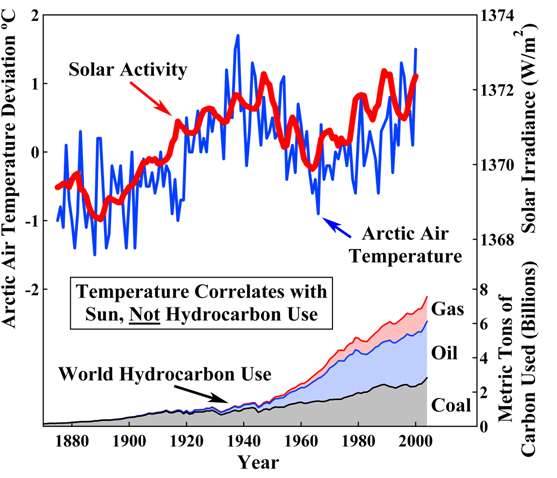
sej ves... co2 koncetracije so REKORDNO VISOKE, pa na mnogih lokacijah sneži več kot je zadnjih n let.
edit:
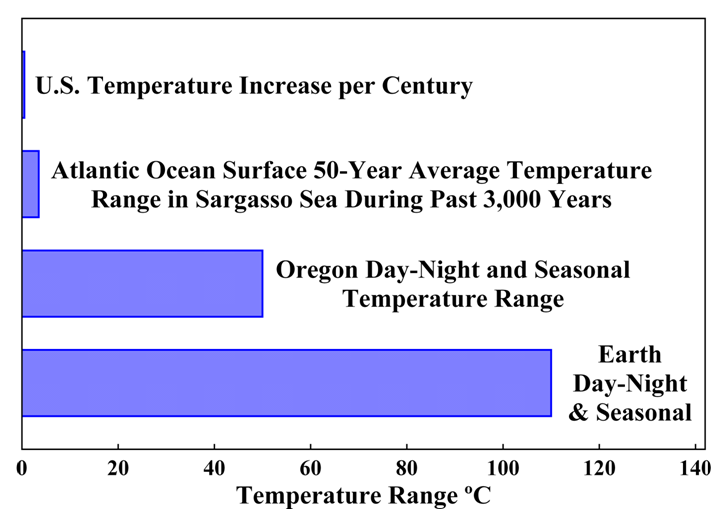
a ta graf zastopiš al ti ga obrazlozim?
http://www.oism.org/pproject/s33p36.htm

sej ves... co2 koncetracije so REKORDNO VISOKE, pa na mnogih lokacijah sneži več kot je zadnjih n let.
edit:
a ta graf zastopiš al ti ga obrazlozim?
http://www.oism.org/pproject/s33p36.htm
DEATH BEFORE DISHONOR!
Re: GLOBALNO SEGREVANJE
Quote:
verjamem da se ti ne da brat mojih linkov tko k se men ne da brat tvojih ampak poste bi pa lahko prebral.
FYI, vse kar mi podajaš mi je dolgo znano. Ena izmed mojih prfox na faxu je Lučka in ugibaj kaj poslušamo pri agrometeorologiji, pri kateri sem z desetko opravil seminarsko nalogo "Toplogredni efekt na planetu Zemlja".
DEATH BEFORE DISHONOR!
Re: GLOBALNO SEGREVANJE
Lučka Kajžef Bogataj občasno delam v dekanatu čisto zgoraj
občasno delam v dekanatu čisto zgorajKdo je na strani
Po forumu brska: 24 in 0 gostov
Opozorilo
Spletna stran KONOPLJA.ORG vsebuje informacije o rastlini konoplji in drogah. Nekatere sporne teme govorijo o vzgoji konoplje, zakonih, povezanih z drogami, rekreacijski rabi konoplje, medicinski rabi konoplje in svetovnih vplivih vojne proti drogam. Spletna stran KONOPLJA.ORG vsebuje tudi različne članke, fotografije konoplje in povezave z drugimi spletnimi stranmi s podobno vsebino.
Informacije, o katerih lahko berete na spletnih straneh KONOPLJA.ORG, so namenjene izključno izobraževalnemu namenu. KONOPLJA.ORG ne promovira uporabe katerekoli ilegalne ali legalne droge.